What Is Flock?
Flock Safety is a company that makes AI-powered surveillance cameras — most notably automated license plate readers (ALPRs). Over the last few years, thousands of neighborhoods, HOAs, businesses, and police departments across the U.S. have installed them, usually marketed as an affordable way to deter crime and recover stolen vehicles.
Here's the part that matters: each camera photographs and logs every vehicle that passes — plate, make, color, direction of travel, and timestamp. That data doesn't stay local. It feeds into a shared, searchable network that participating police departments can query across city and state lines, often without a warrant. A single HOA's camera can end up contributing to a nationwide vehicle-tracking database that most residents never explicitly agreed to.
That's drawn real scrutiny from privacy advocates and civil liberties groups over mass surveillance with minimal oversight — which is exactly why being able to detect when one of these cameras is nearby is something people actually want.
What is a Flock Hotlist?
A Hotlist is a list of license plates — reported stolen vehicles, wanted persons, Amber and Silver Alerts, BOLOs — that law enforcement agencies upload into Flock's system. When a camera reads a plate matching an entry on the list, it automatically alerts the subscribing agency in real time, regardless of which department's camera made the read.
Why People Call This Unconstitutional
Critics argue this amounts to warrantless mass surveillance under the Fourth Amendment — the same reasoning the Supreme Court used in Carpenter v. United States (2018) to rule that tracking someone's location over time without a warrant is a "search." In 2024, the Institute for Justice sued the city of Norfolk, VA on exactly this theory, arguing its citywide camera network let police reconstruct any resident's movements without individualized suspicion or a warrant.
For a law-abiding driver, the practical concern usually isn't being wrongly accused of a crime — it's that your daily movements (where you worship, who you visit, what clinic you go to) get logged and made searchable by anyone with database access, often with little auditing of why a given search was run.
Stand Up for Your Freedoms
The Fourth Amendment didn't happen by accident. It was written by people who'd lived under British "writs of assistance" — general warrants that let soldiers search any home, any time, for any reason. The Founders decided that kind of unchecked power was intolerable, even if it occasionally meant letting a guilty person go free, because the alternative — a government that can watch everyone, always — was worse.
Benjamin Franklin put it best: "Those who would give up essential liberty, to purchase a little temporary safety, deserve neither liberty nor safety." A camera on every corner, quietly building a searchable record of where you go and who you see, is exactly the kind of creeping, convenient surveillance that warning was about.
Being informed about what's watching you, and asking who has access to that data and why, isn't paranoia — it's the same instinct that built this country: don't take unchecked power on faith, whether it wears a red coat or a badge. Know your rights. Ask questions. That's how you keep them.
The Fourth Amendment
"The right of the people to be secure in their persons, houses, papers, and effects, against unreasonable searches and seizures, shall not be violated, and no Warrants shall issue, but upon probable cause, supported by Oath or affirmation, and particularly describing the place to be searched, and the persons or things to be seized."
Snoop Unto Them — As They Snoop Unto Us
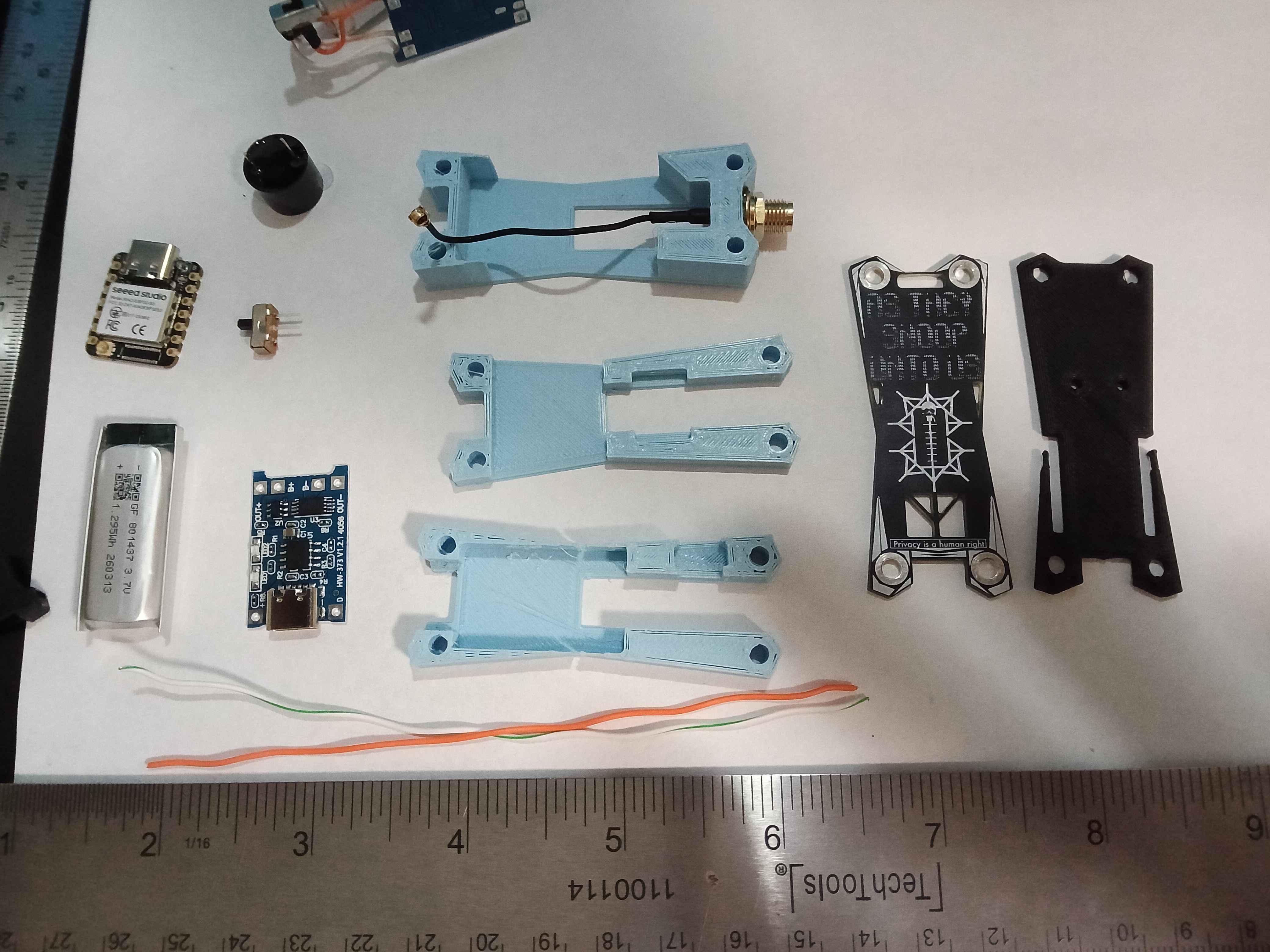
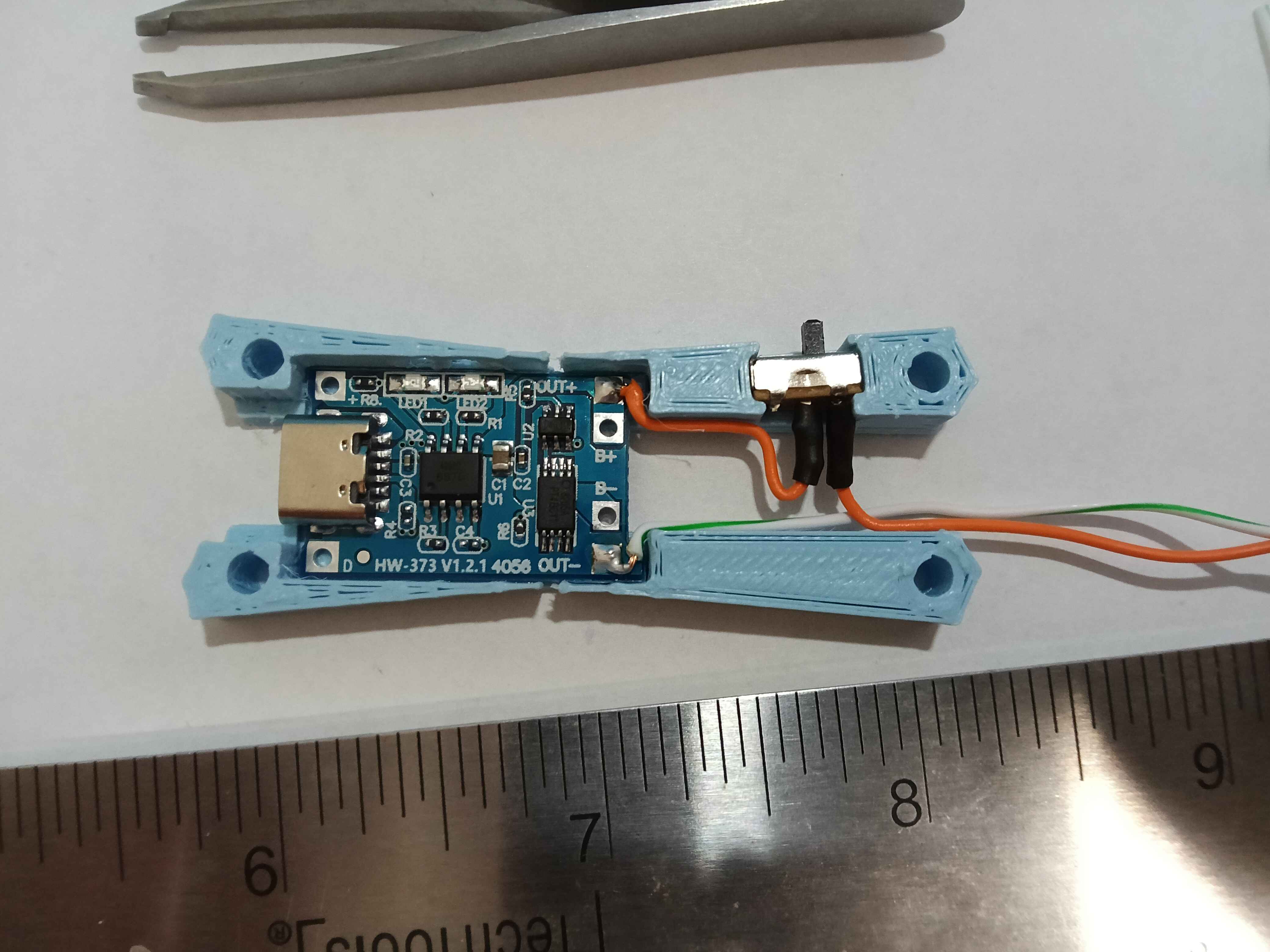
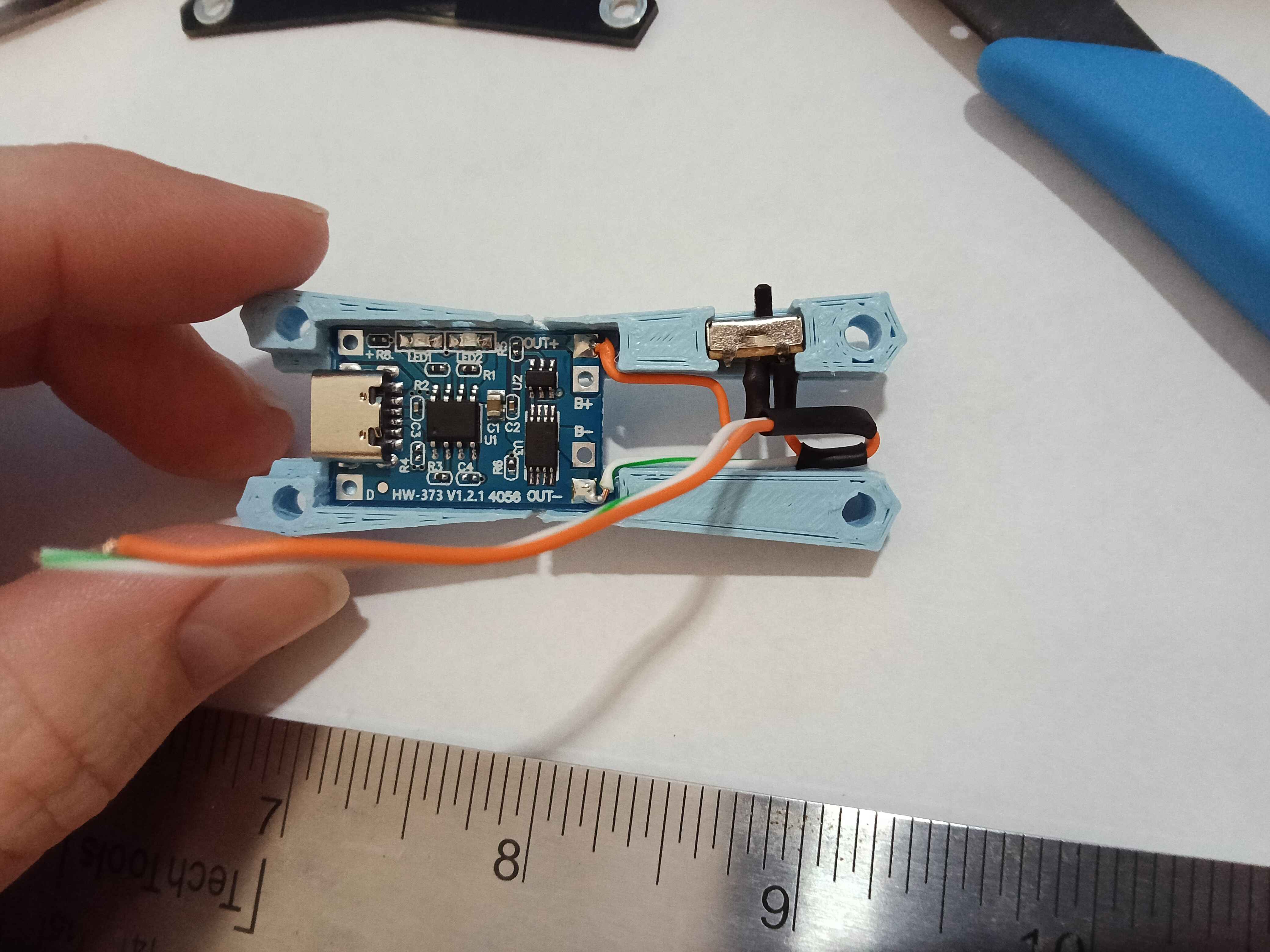
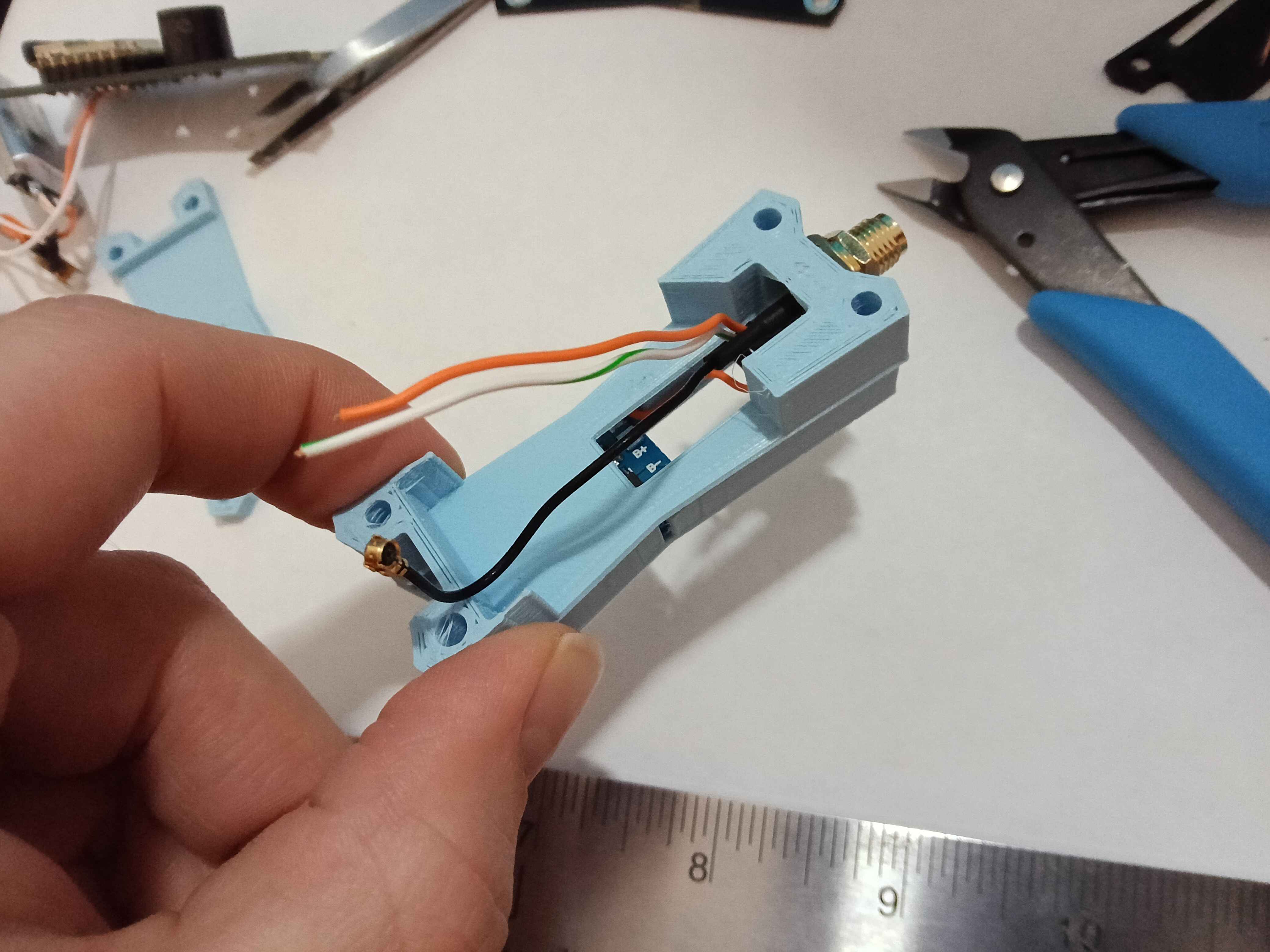
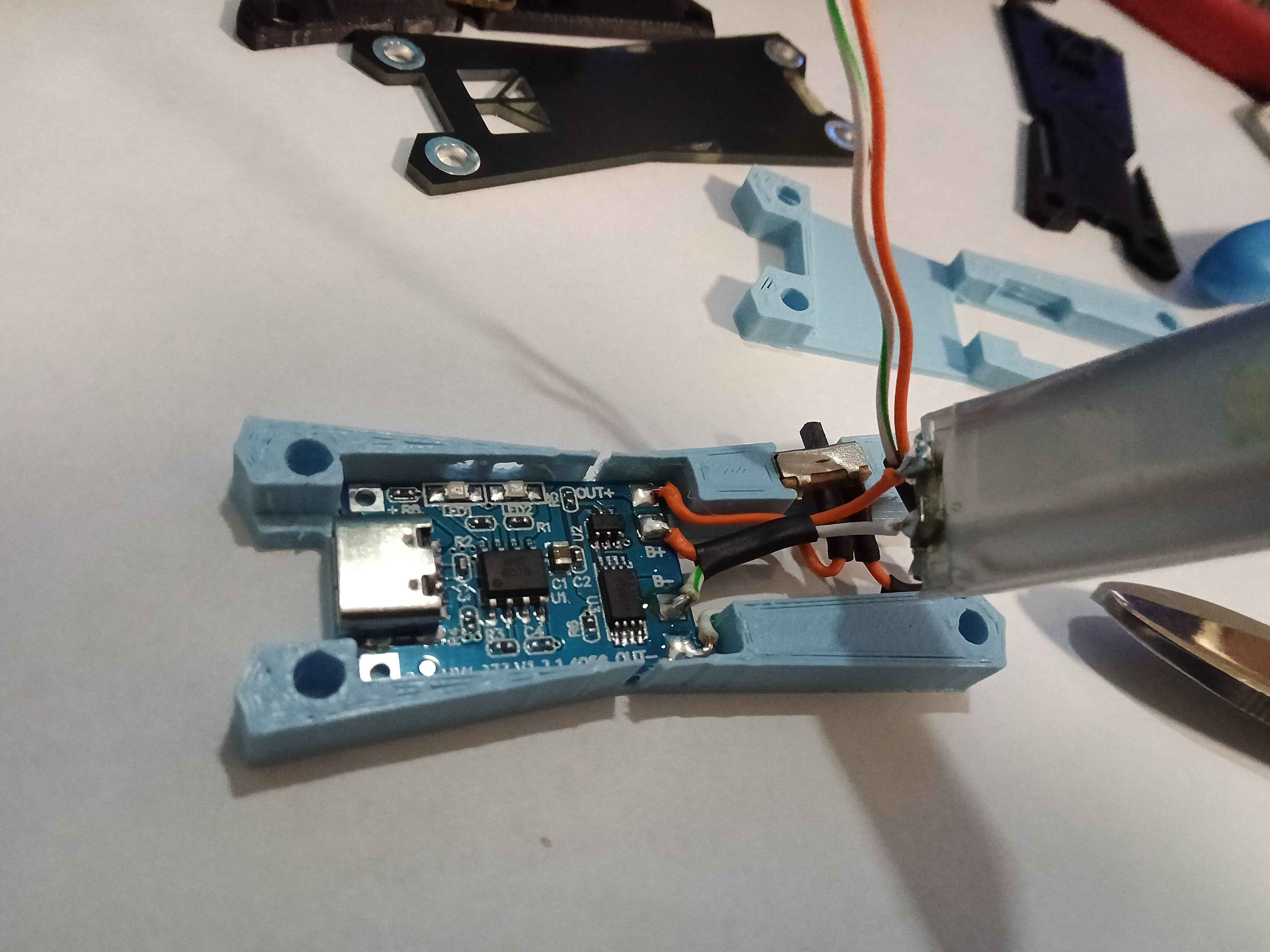
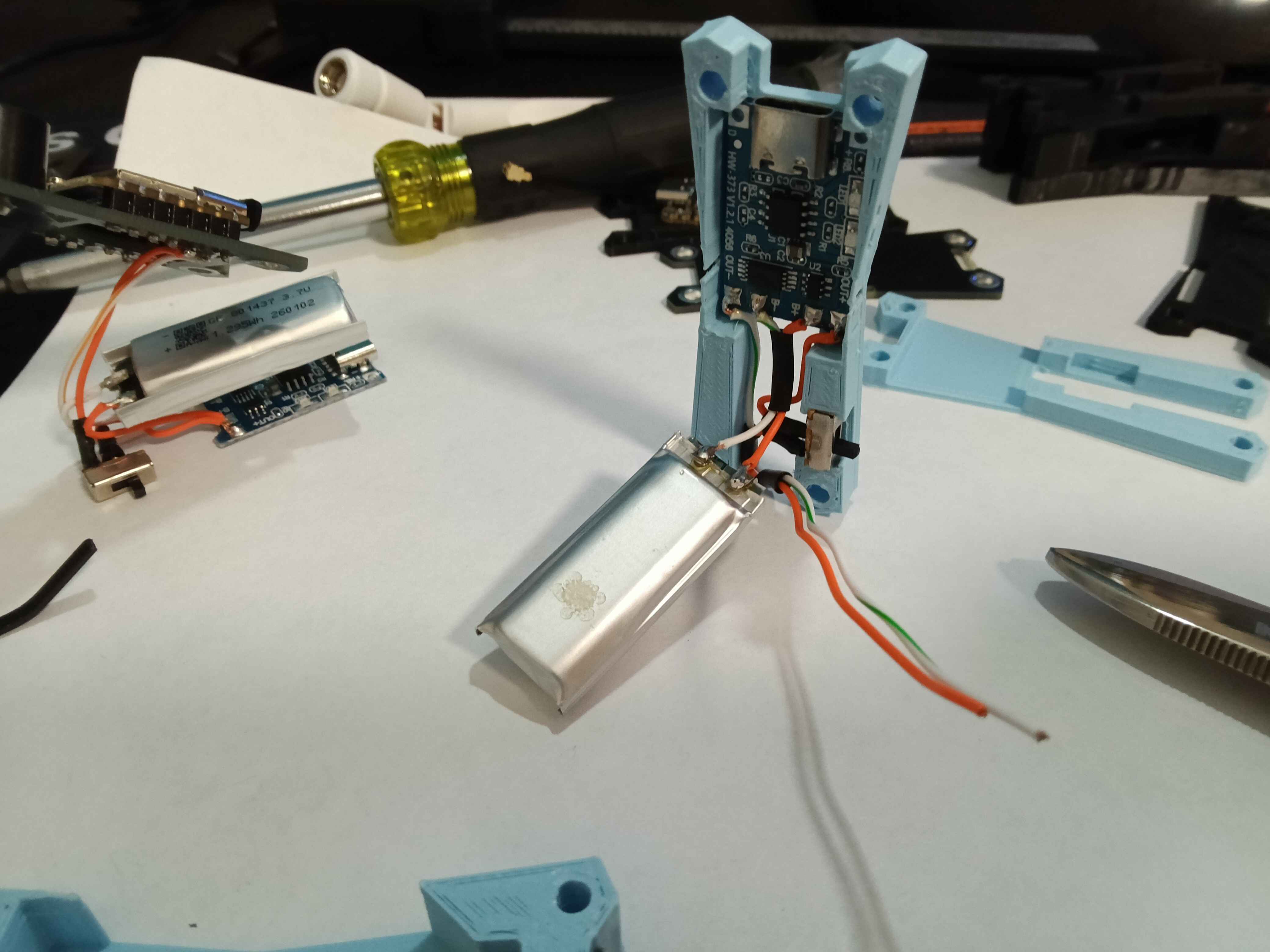
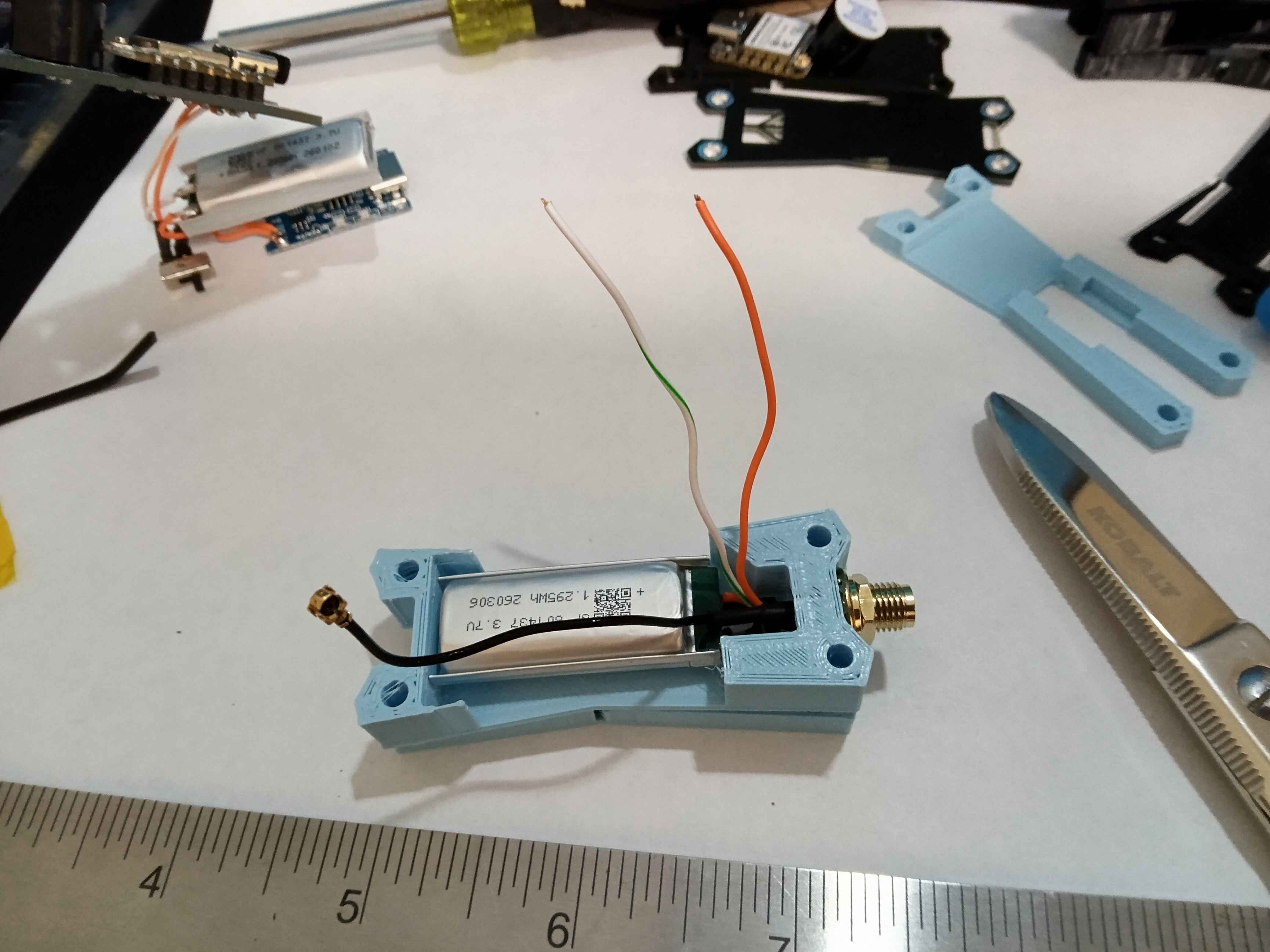
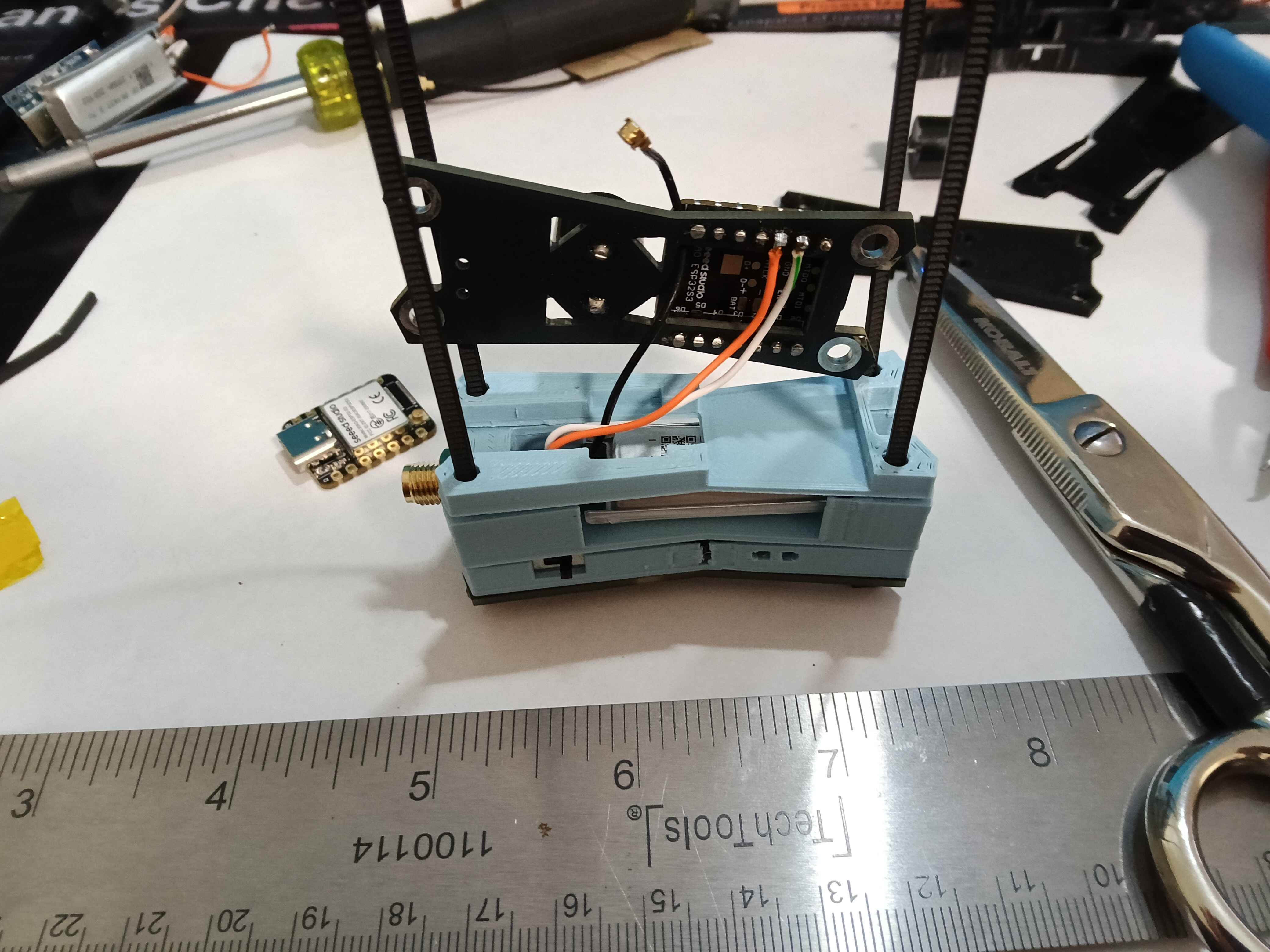
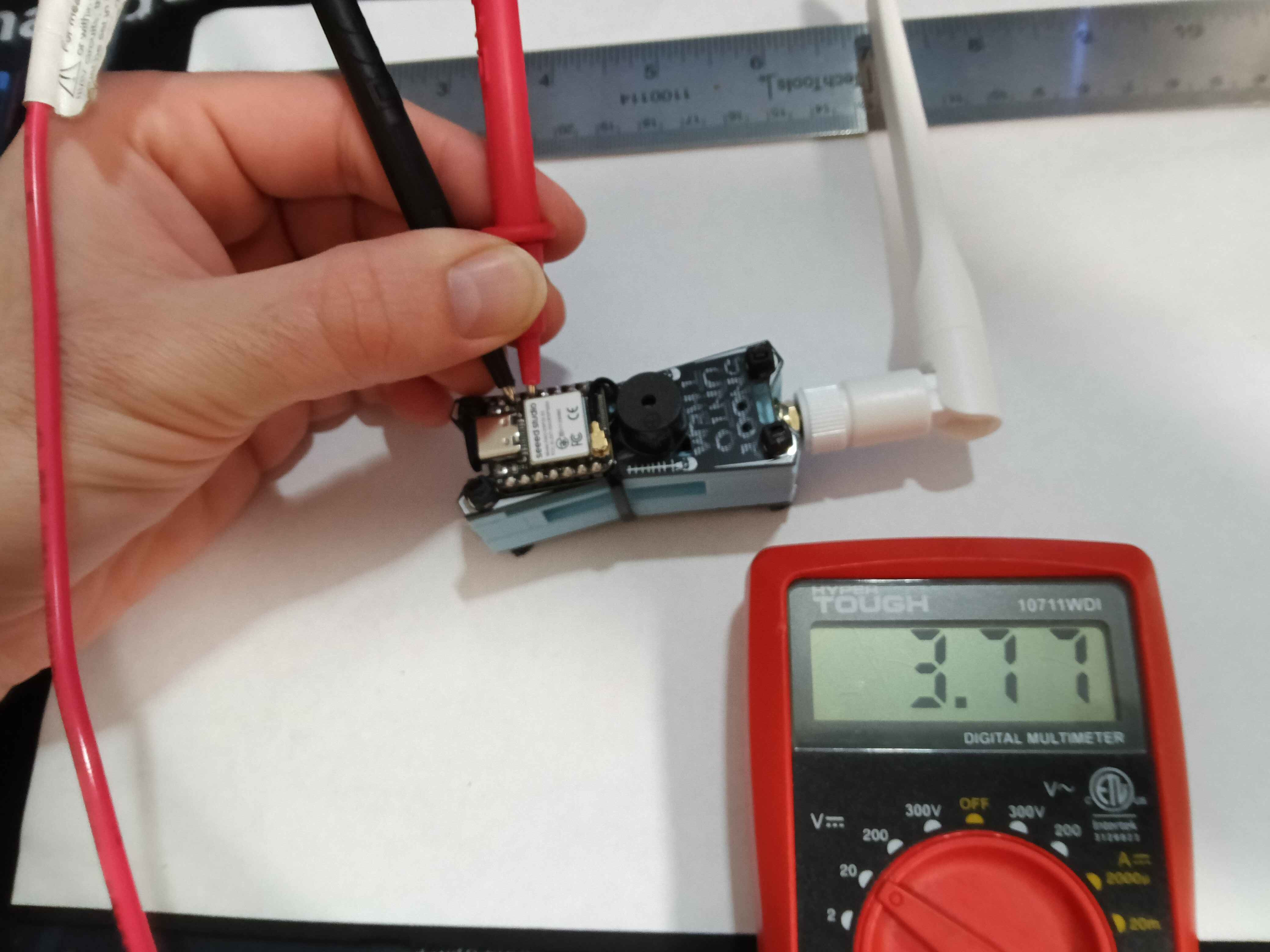
An ESP32-S3 wireless signal detection board, assembled and soldered by hand, running the open-source OUI-SPY firmware.